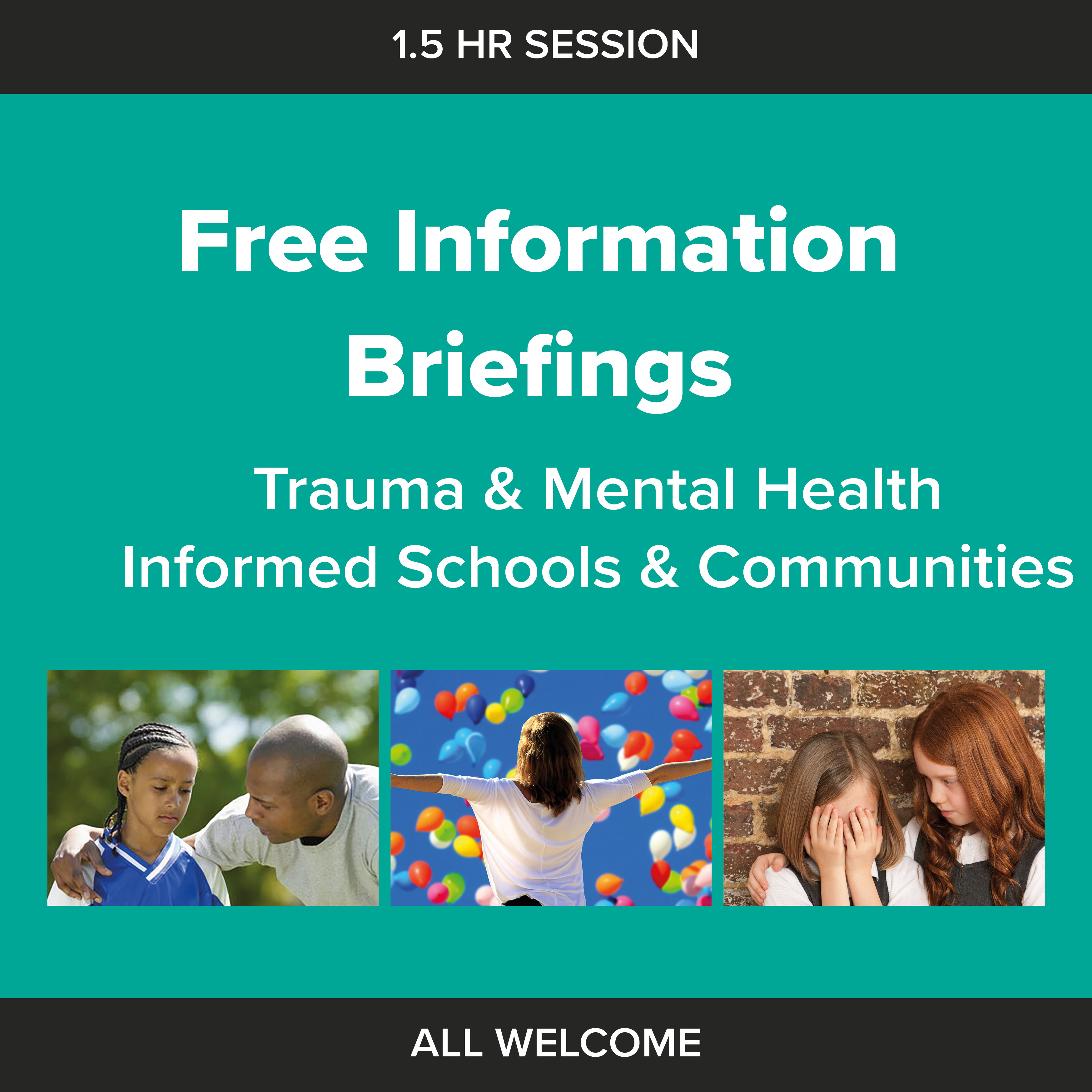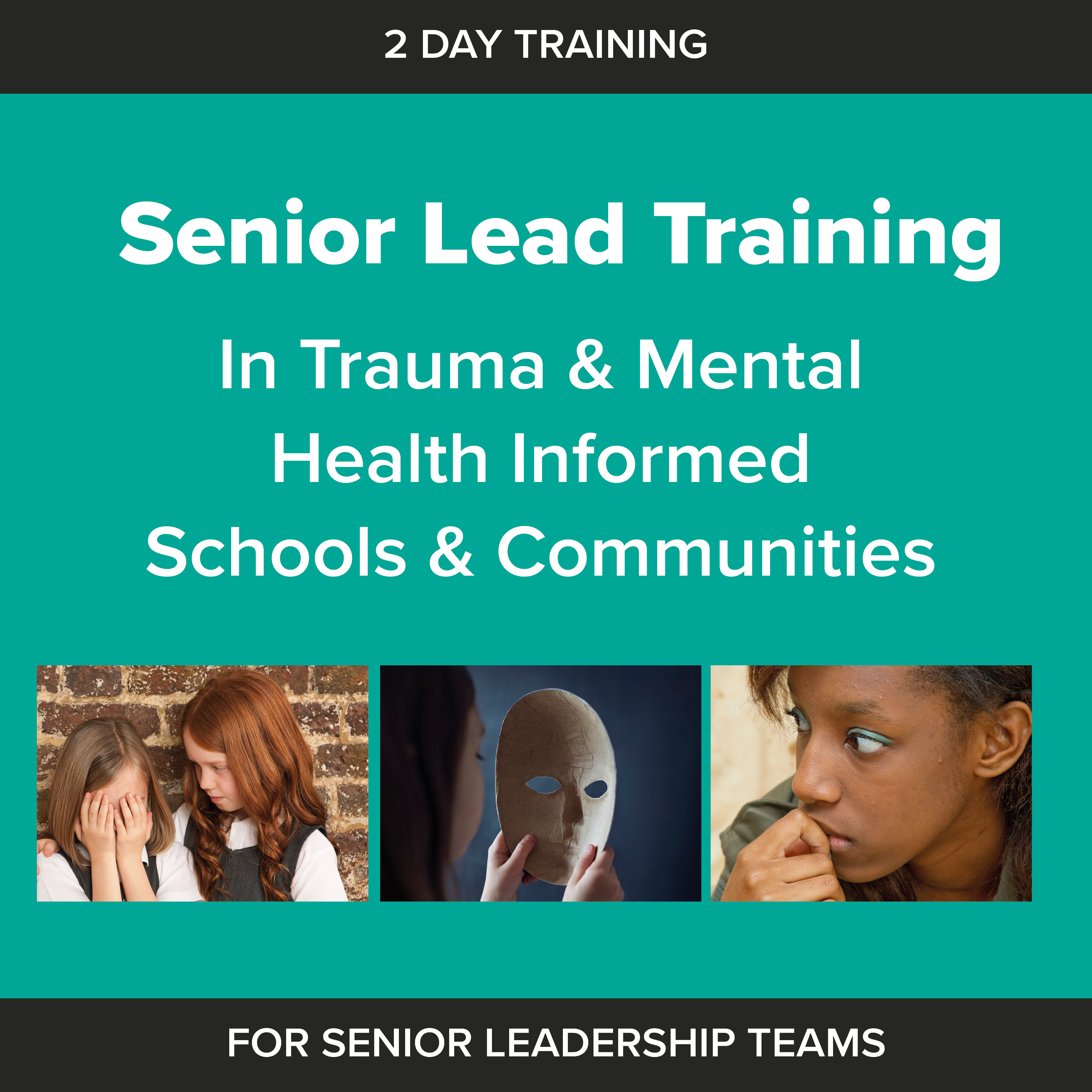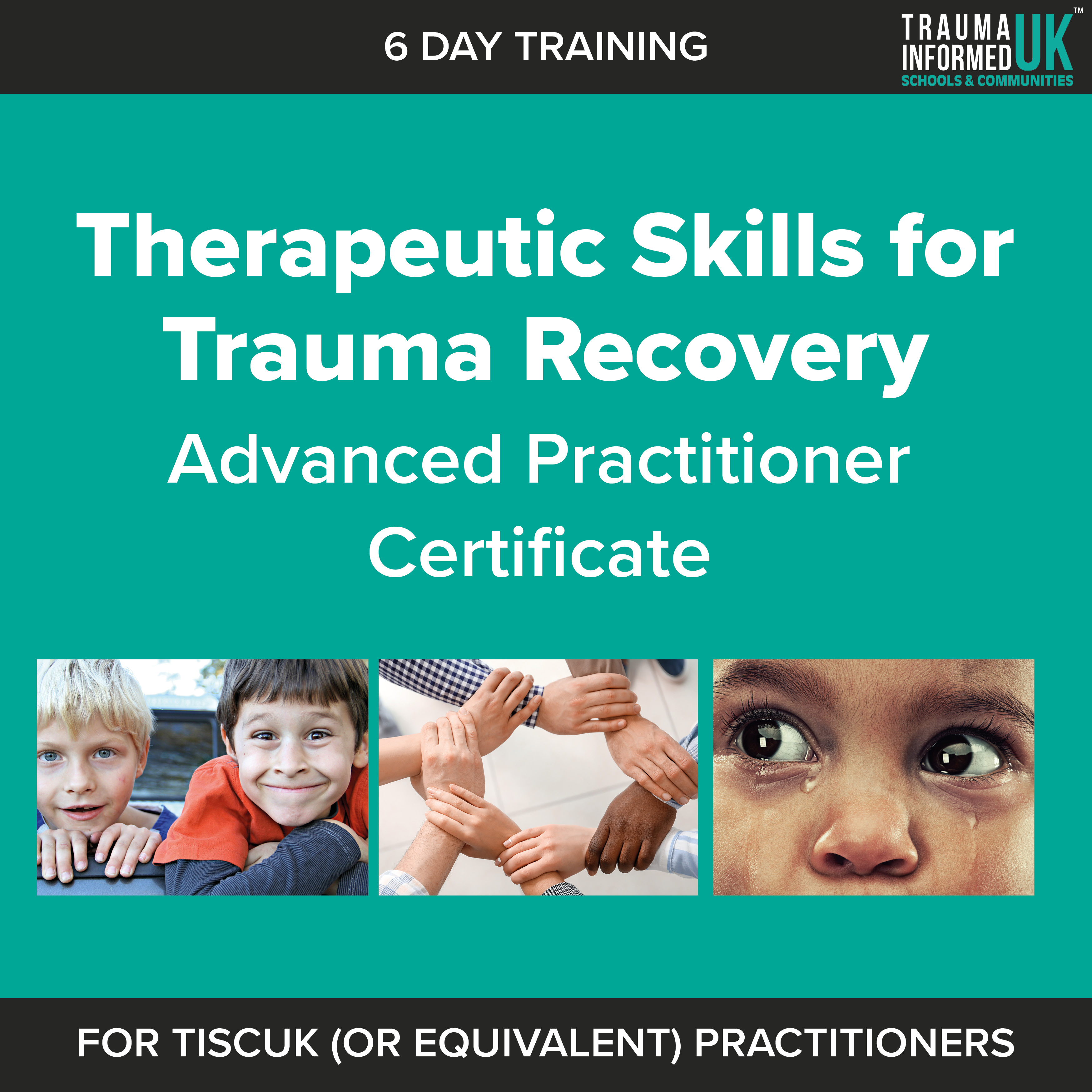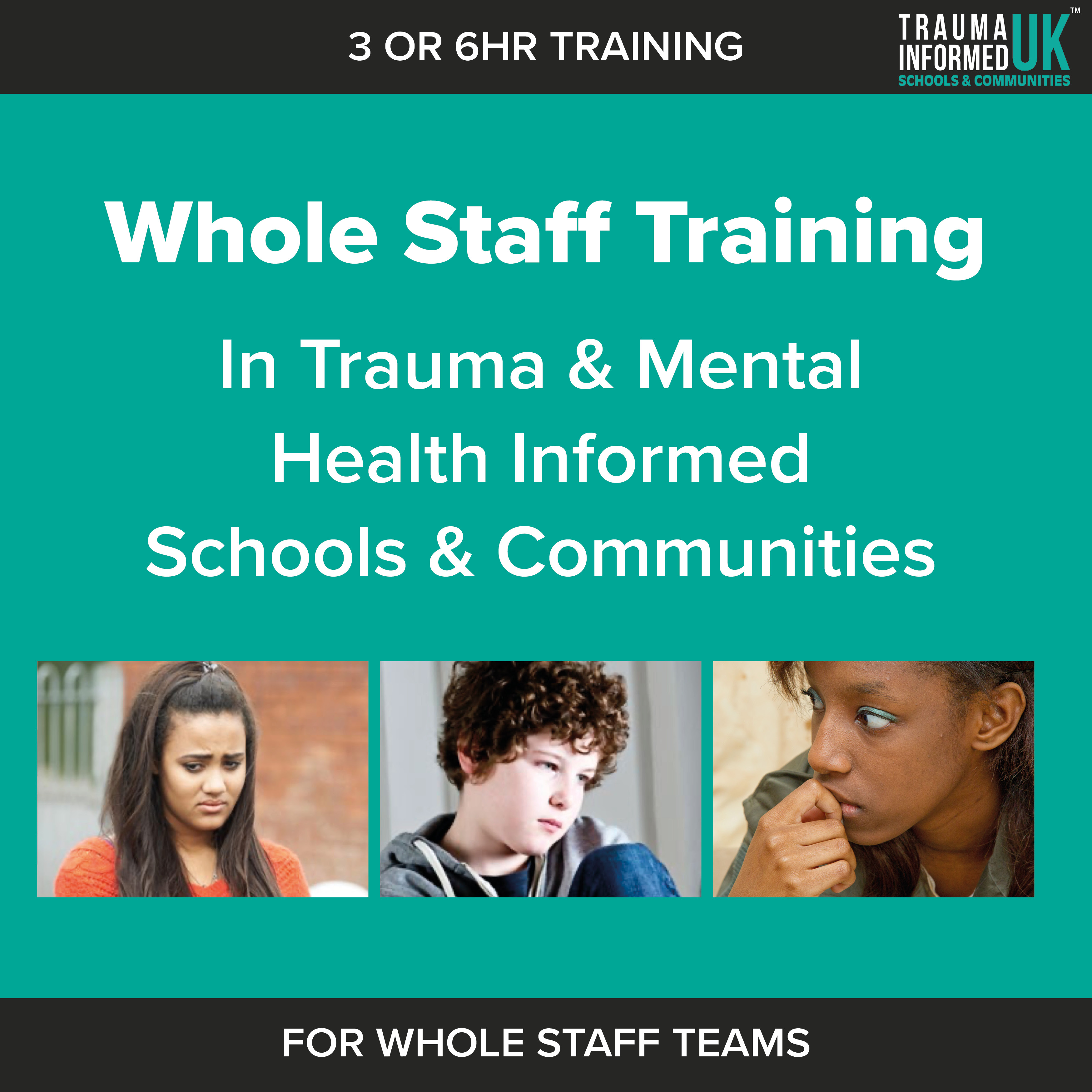




WHY WE NEED TRAUMA INFORMED SCHOOLS, COMMUNITY ORGANISATIONS AND WORKPLACES
Increasing numbers of children, young people and adults are experiencing mental health difficulties, and many schools, organisations and workplaces are under growing pressure to respond. Research into Adverse Childhood Experiences (The ACE study, Felitti and Anda) shows that experiences such as adversity, loss, disruption, social inequality or workplace stress can affect physiological stress responses, emotional regulation and social behaviour. These patterns influence how people make sense of their world, relate to others, and perform in learning, workplace or community settings and have a lasting detrimental impact on mental and physical health if left unaddressed.
With over a million children in the UK experiencing mental health challenges, schools, community organisations and workplaces are often at the forefront of support. Because of the time spent in these environments, they are uniquely placed to make a positive difference early on.
What is a Trauma Informed Organisation?
A trauma informed setting understands how trauma and mental health challenges can affect behaviour, learning and relationships.
Rather than asking “What is wrong with this child/person?”, a trauma-informed approach asks “What has happened, and how can we help?”
This approach focuses on:
- building safe, supportive relationships reducing conflict, avoidance and disengagement
- understanding the underlying causes of behaviour
- helping children, young people and adults make sense of their experiences
- creating environments where everyone can feel safe, supported and able to learn and work
At its core, it is about creating a culture where relationships, compassion and understanding support healing and development.
“A trauma‑informed approach focuses on creating environments where individuals feel safe, supported and able to contribute their best.”
HOW TO BECOME TRAUMA INFORMED: A PATHWAY FOR CHANGE
Becoming trauma-informed is not a one-off initiative. We support organisations through a structured pathway that builds knowledge, confidence, practical skills and capability at every level, and embeds consistent, relational approaches across teams and leadership. Organisations typically move through three stages as they develop trauma-informed practice:
Continuing Professional Development (CPD)
Strengthening knowledge, skills and confidence at every stage
Our CPD programmes provide focused, practical training that supports both those new to trauma-informed practice and experienced practitioners seeking to deepen and refine their skills. For some organisations, CPD provides a starting point; for others, it forms an essential part of ongoing professional development and reflective practice.
Embedding Trauma-Informed Practice
Developing consistent, organisation-wide approaches
Our embedding programmes support organisations to move beyond awareness into implementation. Staff and leaders develop the skills, capacity, structures and reflective practices needed to create safe, predictable and relational environments where people feel supported and able to engage.
Advanced Trauma-Informed Practice
Building specialist skills and leadership capacity
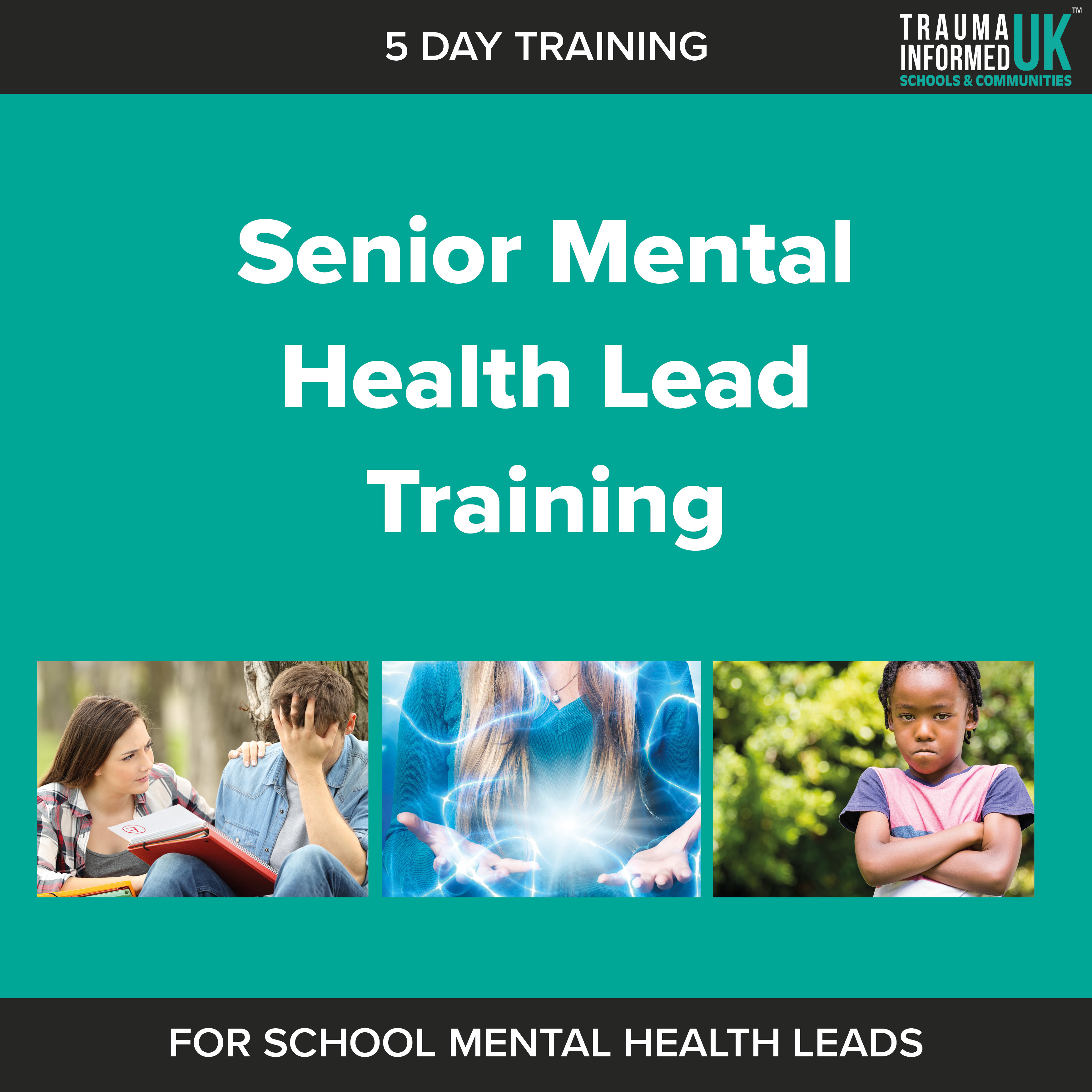
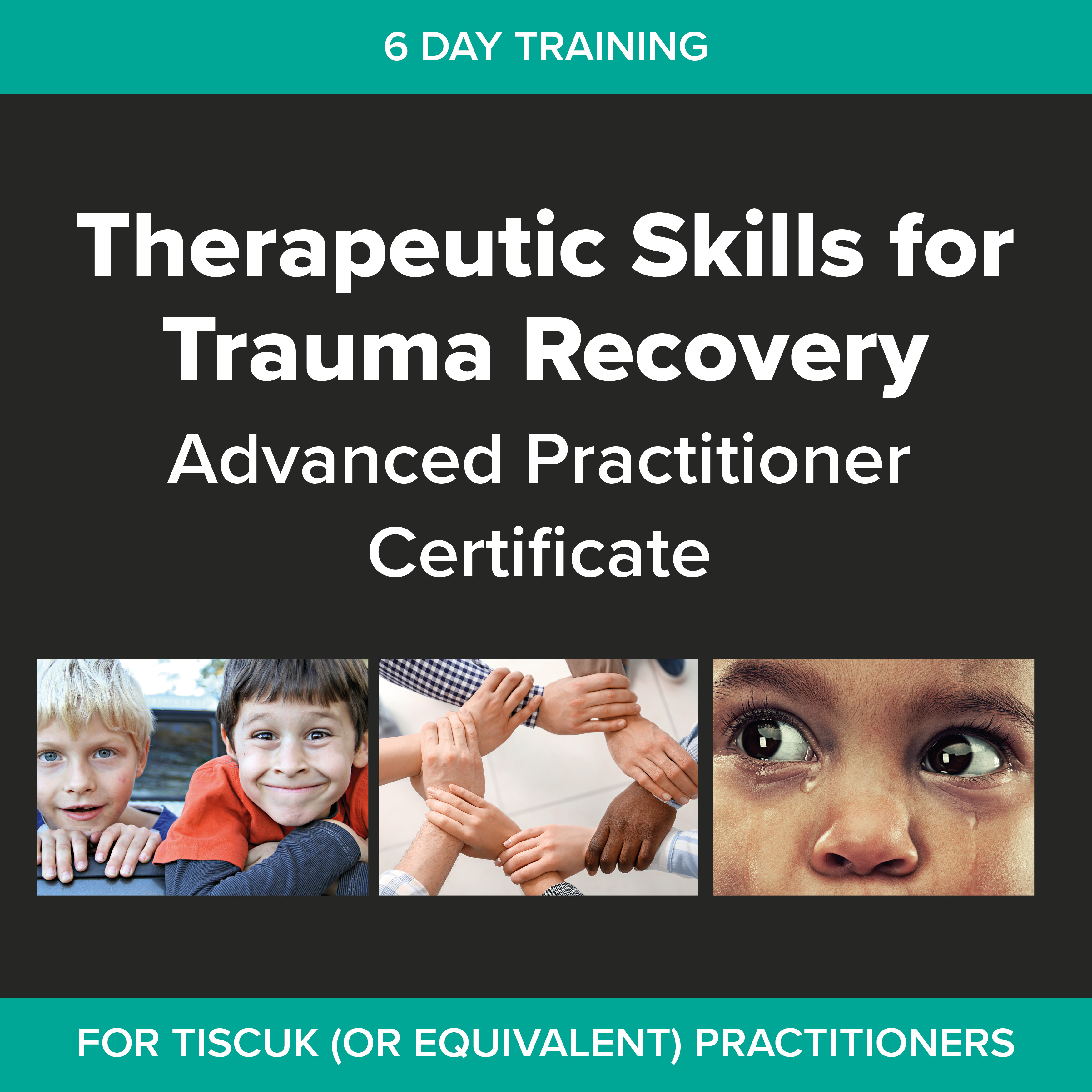
Advanced courses develop deeper expertise within organisations, enabling practitioners and leaders to develop advance relational and therapeutic skills to respond to complex needs with confidence and professional judgement. These programmes help organisations build internal capacity and ensure trauma-informed practice is sustained over time.
EXPLORE ADVANCED TRAINING COURSES
A Whole-Organisation Approach
For lasting, system-wide change
Trauma-Informed practice is most effective when it is shared across teams, led by leadership, and reinforced through ongoing development and reflection. We deliver programmes combining a range of courses from all stages, to Trusts, Local Authorities, Services and Organisations. If you'd like to discuss how we could support you, get in touch...
The Benefits of Trauma Informed Practice
A trauma-informed approach creates measurable benefits for all.
For children and young people, this can include:
- improved emotional wellbeing and sense of belongoing
- increased engagement, attendence and learning outcomes.
- stronger relationships and sense of safety
For staff and organisations:
- greater confidence in responding to behaviour and mental health needs
- improved staff wellbeing and reduced stress, reducing burnout
- a calmer, more supportive culture
Interested in becoming a trauma-informed organisation?
Explore our training or get in touch to discuss your setting.