


Live training (in person and online), learn anywhere any time courses and whole organisation support programmes.

Flexible courses, CPD and resources to support ongoing learning and development.

Skills training sessions and conferences to deepen understanding and support practice.

A radical new approach to mental health education: understanding causes and how to heal.
Read More
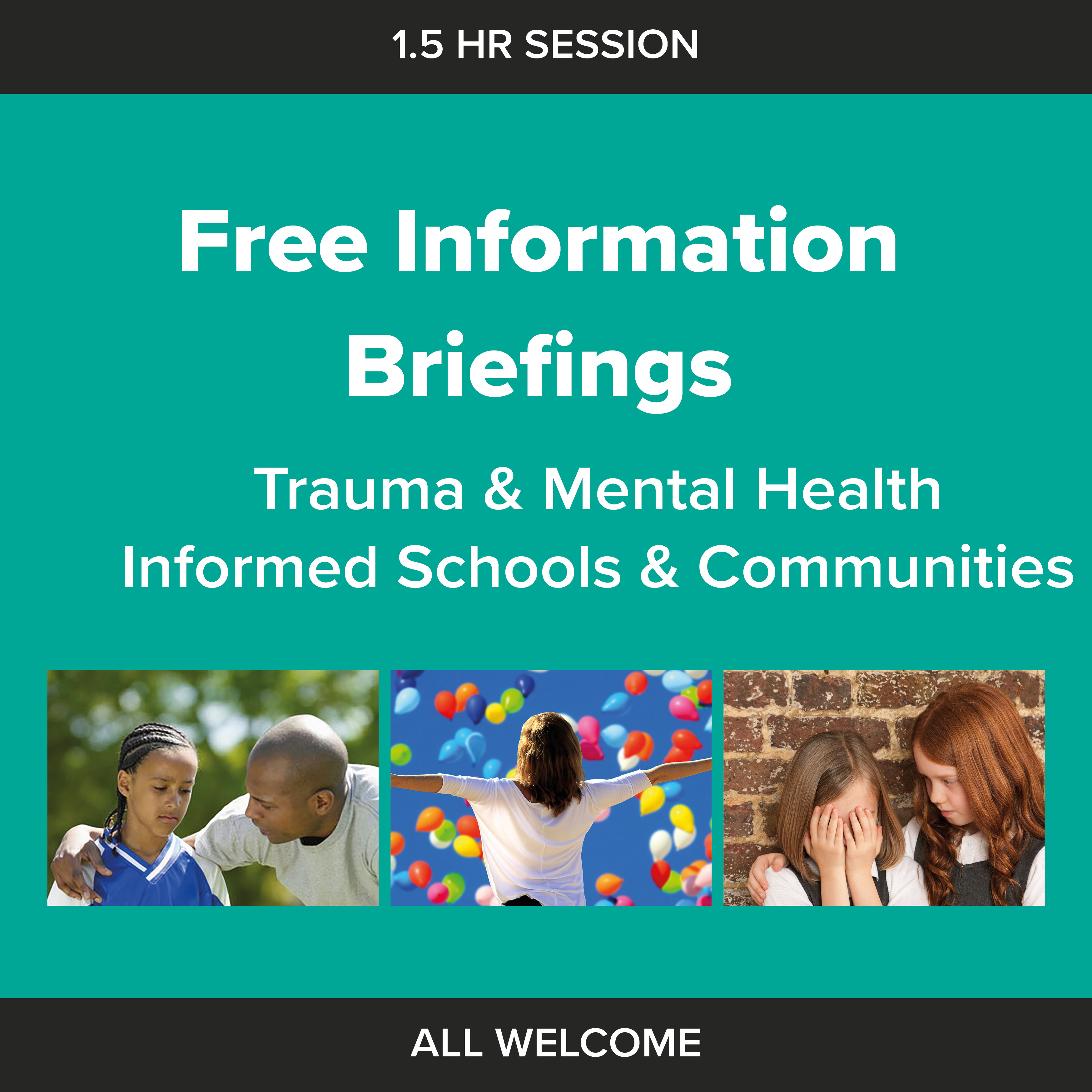
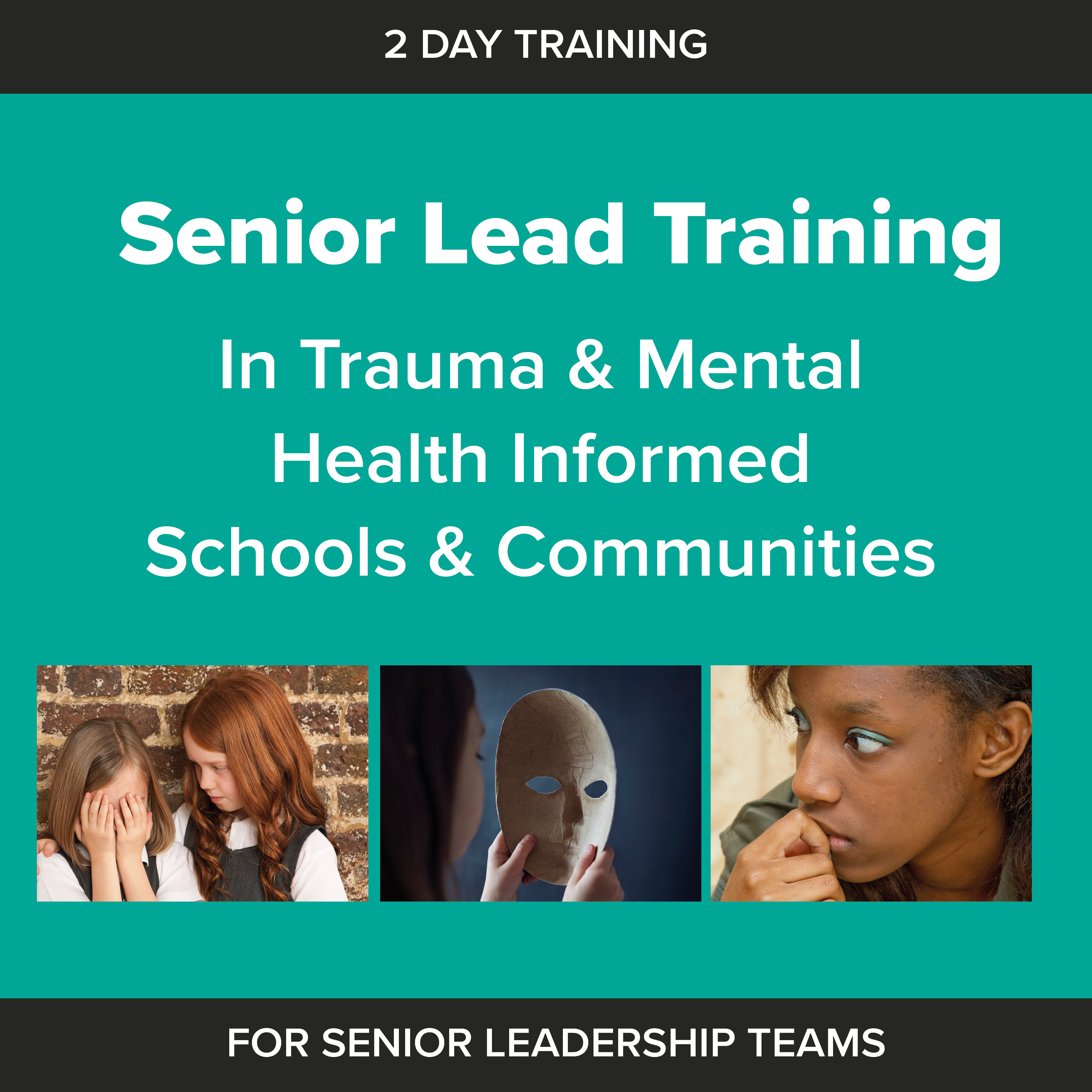

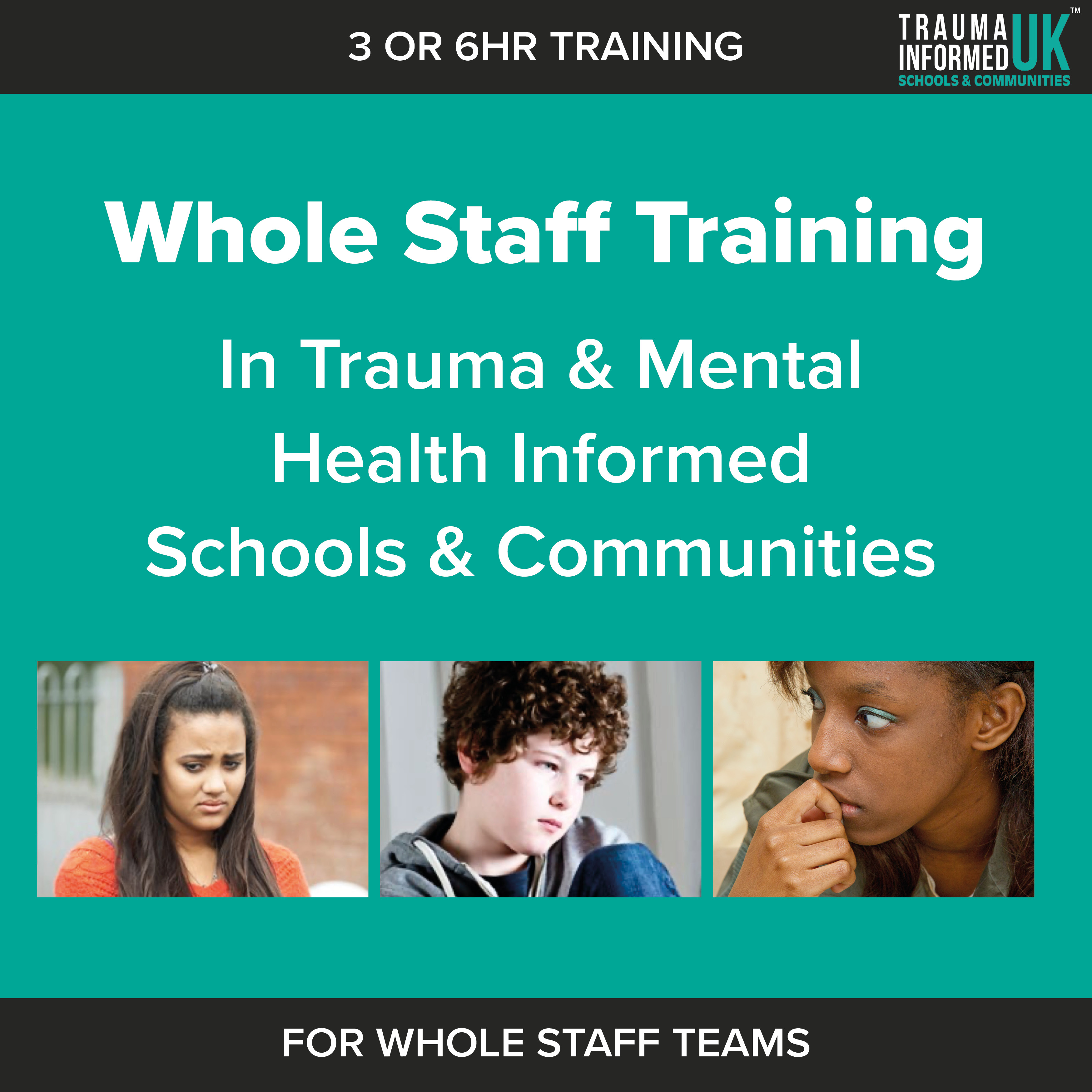
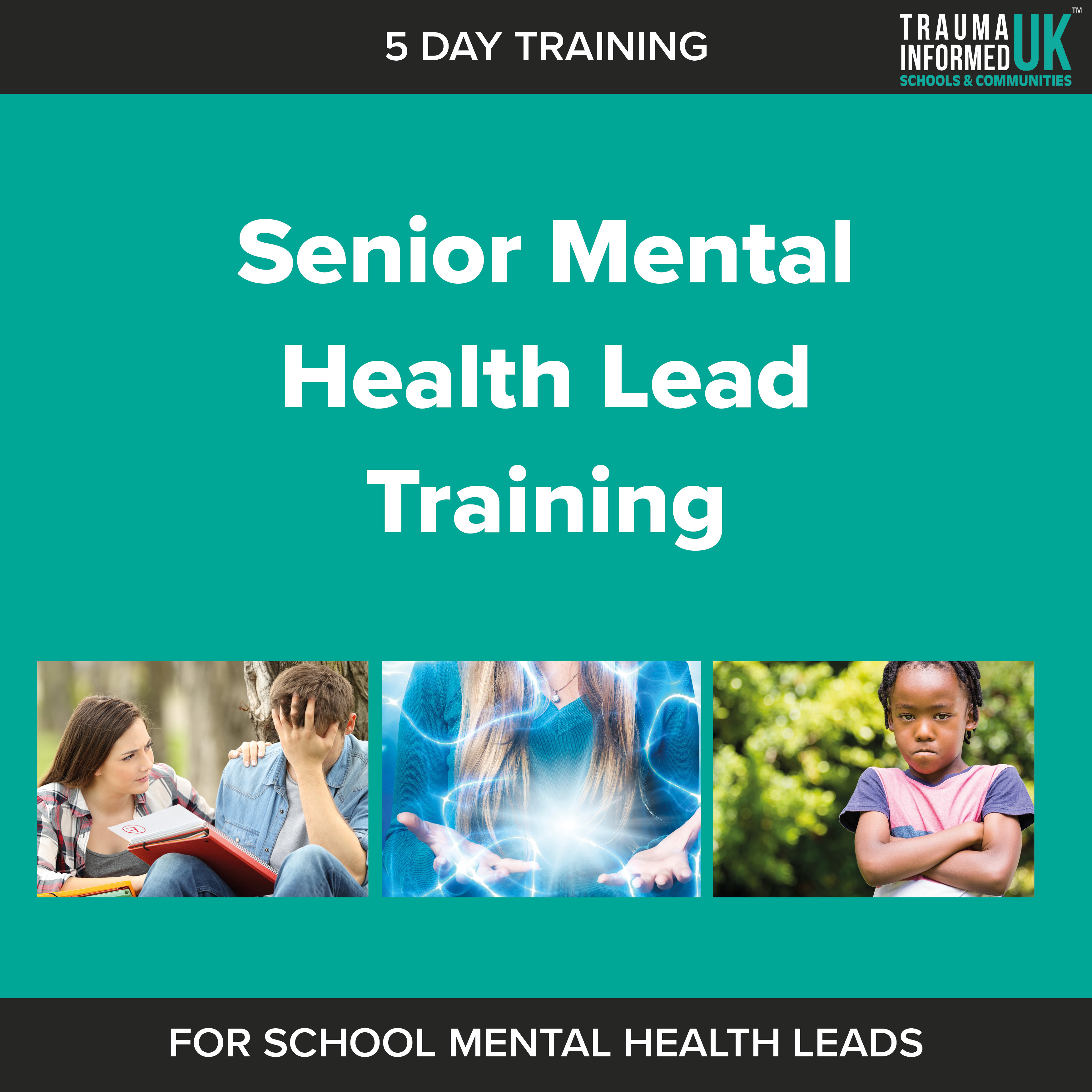





Trauma Informed Schools & Communities UK is a trading name of Trauma Informed Schools UK CIC.



|
North 12 SLT Open for Applications |
Greater London/South East 4 Open for Applications |
Central Autumn SLT Open for Applications |
Kent VS 5 SLT Commissioned Cohort |
Bury SLT Commissioned Cohort |
Greater London/South East 5 Open for Applications |
South West 11 SLT Open for Applications |
Central Spring SLT Open for Application |
Kent VS 6 SLT Commissioned Cohort |
North 13 SLT Open for Applications |
Greater London/South East 6 Open for Applications |
South West 12 SLT Open for Applications |
Greater London/South East 7 Open for Applications |
North 14 SLT Open for Applications |
Greater London/South East 8 Open for Applications |
North 15 SLT Open for Applications |
Greater London/South East 9 Open for Applications |
North 16 SLT Open for Applications |
| 25th & 26th Sept 2025 | 3rd & 6th Oct 2025 | 4th & 5th Nov 2025 | 6th & 7th Nov2025 | 11th & 12th Nov 2025 | 22nd & 23rd Jan 2026 | 12th & 13th Feb 2026 | 9th & 10th March 2026 | 26th & 27th March2026 | 6th & 7th May 2026 | 7th & 8th May 2026 | 25th & 26th June 2026 | 17th & 18th Sept 2026 | 7th & 8th Oct 2026 | 21st & 22nd Jan 2027 | 2nd & 3rd Feb 2027 | 13th & 14th May 2027 | 8th & 9th June 2027 |
| North 12 SLT Flyer | London/South East 4 SLT Flyer | Central Autumn SLT Flyer | Kent VS 5 Flyer | Bury Autumn SLT Flyer | London/South East 5 SLT Flyer | South West 11 SLT Flyer | Central Spring SLT Flyer | Kent VS 6 Flyer | North 13 SLT Flyer | GL/SE 6 SLT Flyer | South West 12 SLT Flyer | GL/SE 7 SLT Flyer | North 14 SLT Flyer | GL/SE 8 SLT Flyer | North 15 SLT Flyer | GL/SE 9 SLT Flyer | North 16 SLT Flyer |
We would suggest doing a course in your locality if possible to give the opportunity to form connections in your local network.
North: sarah@traumainformedschools.co.uk
Sheffield: https://bit.ly/3LfcQZH
Bury: Katie@traumainformedschools.co.uk
Cheshire: katie@traumainformedschools.co.uk
Please email info@traumainformedschools.co.uk to let us know:
We'll check availability with our training team, and get back to you to confirm.
Please email info@traumainformedschools.co.uk to let us know:
We'll check availability with our training team, and get back to you to confirm.
Email info@traumainformedschools.co.uk to let us know:
And we'll get back to you to confirm the cost and trainer availability.
The quality of the parent-child relationship is one of the strongest protective factors for lifelong emotional wellbeing. Yet amidst the pressures of modern family life, truly meaningful time together can easily become squeezed out by routines, distractions and competing demands.
Drawing on attachment theory, developmental psychology and the latest neuroscience, this inspiring webinar explores how creative shared experiences help strengthen connection, promote emotional security and nurture healthy brain development. Rather than focusing on entertainment, it offers practical ideas that foster curiosity, imagination, delight and emotional closeness—creating the kind of everyday moments that children remember long after childhood has passed.
Children continue to learn through movement, play and sensory experience long after they begin school. Rich sensory experiences stimulate multiple areas of the brain simultaneously, supporting attention, memory, emotional regulation, creativity and cognitive development.
This webinar explores how sensory-enhanced learning and attachment-based play can transform everyday interactions into opportunities for connection, exploration and growth. Grounded in neuroscience and child development, it provides a wealth of practical, enjoyable activities that strengthen relationships while supporting children's emotional wellbeing, confidence and love of learning.
Communication begins long before children speak their first words. Every smile, shared gaze, playful interaction and emotionally attuned response helps shape the neural pathways that underpin language, emotional regulation, social development and secure attachment.
This webinar explores the extraordinary importance of the first five years through the lens of neuroscience, attachment and developmental psychology. You'll discover how playful, responsive communication strengthens relationships, supports healthy brain development and provides the secure foundations from which children develop confidence, curiosity and resilience throughout life.
Children and teenagers often experience emotions long before they develop the language to describe them. When difficult feelings remain unnamed, they are more likely to be expressed through behaviour, withdrawal, anxiety or emotional overwhelm.
This practical webinar explores how emotion cards can become a powerful therapeutic and parenting tool, helping children externalise feelings, build emotional vocabulary and engage in meaningful conversations about their inner world. Grounded in psychology and relational practice, it demonstrates how visual prompts can support emotional literacy, strengthen communication and help children develop the insight needed for emotional growth and healing.
Children need connection most when their behaviour makes it hardest to provide. Developed by internationally renowned clinical psychologist Dr Dan Hughes, PACE- Playfulness, Acceptance, Curiosity and Empathy, is one of the world's most influential attachment-based approaches for strengthening relationships and supporting emotional healing.
This webinar explores how parents can use PACE to move beyond conflict and behaviour management towards deeper understanding and connection. Through practical examples and real-life scenarios, you'll learn how curiosity and empathy reduce defensiveness, strengthen trust and create the emotional safety children need to regulate their feelings, develop resilience and flourish—while maintaining clear, consistent boundaries.
Children often reveal their inner world through creativity long before they are able to describe it verbally. Drawing, painting, music, poetry, storytelling, puppetry and sensory experiences provide powerful, developmentally appropriate ways for children to explore feelings, process difficult experiences and communicate safely.
This webinar explores how creative therapeutic approaches can deepen assessment, strengthen therapeutic relationships and facilitate emotionally meaningful conversations. Grounded in attachment theory, neuroscience and psychotherapy, it offers practical guidance for integrating creative interventions into therapeutic work with children and young people across a wide range of professional settings.
Feeling genuinely understood is one of the most powerful therapeutic experiences a child can have. Big Empathy Drawings use simple visual metaphors to communicate empathy, helping children explore complex emotions without relying solely on language.
This innovative webinar demonstrates how practitioners can use visual representations to strengthen connection, validate emotional experience and support children to reflect on difficult thoughts and feelings. You'll develop practical skills that enrich therapeutic conversations while expanding your repertoire of creative, relational interventions.
Traumatic experiences are often stored as sensory, emotional and implicit memories rather than coherent verbal narratives. Sandplay Therapy provides a psychologically safe medium through which children can express, organise and gradually make sense of these experiences using symbolic play.
Grounded in attachment, developmental psychology and trauma theory, this webinar explores both the theoretical foundations and practical application of Sandplay Therapy. Practitioners will gain a deeper understanding of symbolic communication and learn how sandplay can facilitate emotional regulation, reflection and trauma recovery within therapeutic practice.
Stories have long been recognised as one of humanity's most powerful ways of making sense of experience. For children, metaphor and narrative provide emotional distance that allows difficult feelings, fears and relationships to be explored safely, often revealing thoughts that would otherwise remain unspoken.
This webinar explores the therapeutic use of storytelling and story listening within relational practice, demonstrating how carefully chosen stories—and careful listening to the stories children tell—can deepen understanding, strengthen therapeutic relationships and support emotional healing. Combining psychology, attachment and creative therapeutic practice, it offers practical approaches that can be immediately integrated into work with children and young people.
Depression in children and teenagers is rarely simply about low mood. It often reflects a complex interaction between early relationships, painful life experiences, chronic stress, neurobiology and the way young people come to understand themselves and the world around them.
Drawing on psychology, neuroscience, attachment theory and clinical practice, this webinar explores how depression develops, why it presents so differently across children and adolescents, and how adults can move beyond symptom management towards approaches that promote genuine healing. You'll gain a richer understanding of the psychological processes underpinning depression, together with practical, relationship-based strategies that help young people rediscover hope, connection and emotional wellbeing.
Understanding how the brain works can be profoundly empowering for teenagers. Rather than seeing themselves as "broken" or "wrong", young people begin to recognise how stress, relationships, trauma and life experiences influence their thoughts, emotions and behaviour—and, most importantly, how recovery is possible.
This webinar explores how psychology and neuroscience can be translated into clear, accessible psychoeducation that helps teenagers make sense of anxiety, depression, emotional overwhelm and everyday mental health challenges. Ideal for professionals and parents alike, it provides practical ways to foster self-awareness, hope and emotional resilience while equipping young people with knowledge they can carry throughout life.
Conversations about sexual relationships often focus on biology or risk. Yet healthy relationships are built upon far deeper psychological foundations—including attachment, identity, emotional regulation, consent, empathy and self-esteem.
This thoughtful webinar explores how adults can support teenagers to develop a psychologically informed understanding of intimacy, relationships and emotional wellbeing. Grounded in developmental psychology and neuroscience, it equips professionals and parents to move beyond factual information towards conversations that help young people build healthier relationships, recognise unhealthy dynamics and make thoughtful, informed choices.
Violent or aggressive behaviour is often viewed simply as defiance or deliberate misconduct. In reality, it frequently represents a complex survival response rooted in trauma, fear, shame, attachment disruption and chronic emotional dysregulation.
Drawing together attachment theory, neuroscience and developmental psychology, this webinar explores the pathways that can lead children and young people towards violence, while challenging simplistic behavioural explanations. You'll develop a deeper understanding of why traditional responses often fail, and discover relationship-based approaches that promote safety, emotional regulation and long-term recovery.
Lorem Ipsum Dolor Sit.
Developmental trauma is one of the most significant yet frequently misunderstood influences on children's emotional, social and cognitive development. When children experience chronic adversity, neglect or disrupted attachment, the developing brain adapts for survival, profoundly affecting emotional regulation, learning, behaviour and relationships.
This webinar explores the psychology and neuroscience of developmental trauma, helping professionals move beyond behaviour to understand the underlying adaptations that shape children's lives. Drawing on attachment theory, brain development and trauma research, it provides an evidence-informed framework for recognising developmental trauma and responding in ways that promote safety, regulation, resilience and recovery.
Attachment forms the foundation upon which children develop trust, emotional regulation, resilience and a sense of self. Secure relationships not only influence emotional wellbeing but also shape attention, learning, behaviour and the ability to form healthy relationships across the lifespan.
This webinar provides a comprehensive introduction to attachment theory through the lens of contemporary neuroscience, developmental psychology and trauma-informed practice. You'll develop a richer understanding of how attachment patterns influence children's behaviour and discover why safe, attuned relationships remain one of the most powerful protective factors in promoting recovery and lifelong wellbeing.
Trauma rarely affects one generation alone. Without opportunities for healing, its psychological, relational and even biological effects can influence parenting, attachment and emotional development across multiple generations.
This thought-provoking webinar explores the mechanisms through which trauma is transmitted within families, drawing on attachment theory, neuroscience and developmental psychology. It examines how unresolved adversity can shape caregiving, relationships and children's development, while highlighting the protective power of reflective, emotionally attuned relationships to break cycles of trauma and foster resilience for future generations.
Children affected by trauma need more than behaviour management—they need relationships that help them feel emotionally safe enough to explore painful experiences and develop new patterns of trust. Developed by internationally renowned clinical psychologist Dr Dan Hughes, PACE provides a therapeutic stance that promotes connection, emotional regulation and relational healing.
This webinar explores the theory and practice of PACE through the lens of attachment, interpersonal neurobiology and trauma recovery. You'll discover why curiosity reduces defensiveness, why empathy transforms shame, and how playful, accepting relationships enable children to move from survival towards security, resilience and hope.
Some of the greatest barriers to healing arise not only within traumatised children but also within the relationships surrounding them. Children who have experienced chronic adversity often develop Blocked Trust, instinctively protecting themselves from closeness, while adults repeatedly exposed to rejection, aggression or distress may experience Blocked Care, gradually losing access to the empathy, patience and curiosity essential for therapeutic relationships.
This advanced webinar explores these interconnected psychological processes through attachment theory, neuroscience and relational practice. You'll gain a deeper understanding of why these patterns emerge, how they influence professional and family relationships, and the relational approaches that help restore trust, compassion and the conditions necessary for lasting recovery.


