



TO PROVIDE APPROPRIATE TRAINING FOR SCHOOLS, COMMUNITY ORGANISATIONS AND WORKPLACES SO THAT THEY BECOME TRAUMA INFORMED AND MENTALLY HEALTHY PLACES FOR ALL
Our Mission
Our mission is to support schools, community organisations and workplaces to create environments where people feel safe, valued and understood.
We believe that emotional wellbeing, strong relationships and compassionate practice are essential foundations for healthy learning, working and living. Our work exists to help organisations respond to distress with understanding, and to build cultures where people can flourish.

“A TRAUMA‑INFORMED APPROACH FOCUSES ON CREATING ENVIRONMENTS WHERE INDIVIDUALS FEEL SAFE, SUPPORTED AND ABLE TO CONTRIBUTE THEIR BEST.”
Our Aims
We aim to support schools, community organisations and workplaces:
- To actively support the emotional wellbeing of all
- To be places of healing as well as places of learning and work
- To promote cultures of trust through clear boundaries, reliability, consistency, empathy and compassionate accountability
- To recognise and respond to the impact of adversity, trauma, social injustice and economic hardship
- To support early intervention, helping people before difficulties escalate
Our Belief
We believe that behaviour is a form of communication, and that distress should be met with understanding rather than punishment.
We believe that relationships have the power to both harm and heal, and that safe, consistent relationships are central to recovery, belonging and wellbeing.
We believe that meeting people’s fundamental human needs — for safety, connection and being valued — is essential for engagement, wellbeing and positive outcomes.
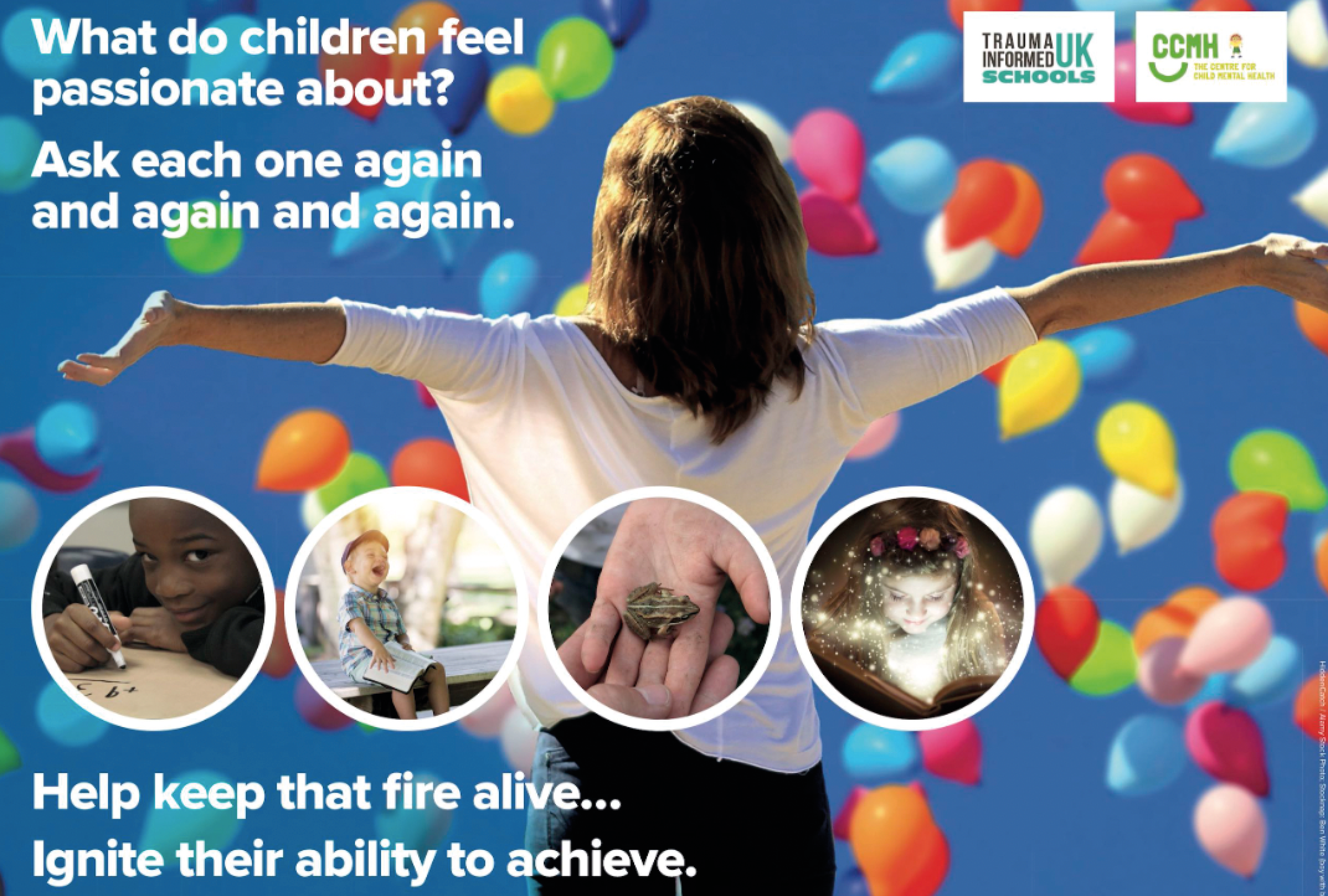
"OUR PROGRAMMES ARE GROUNDED IN EXTENSIVE RESEARCH FROM PSYCHOLOGY, NEUROSCIENCE AND EDUCATION, AND ARE DESIGNED TO TRANSLATE THEORY INTO PRACTICAL, EVERYDAY APPROACHES."
Our Commitment
We are committed to supporting organisations to:
- create safe, relational environments
- support staff as well as those they serve
- respond to distress with compassion and confidence
- recognise vulnerability early and act preventatively
- build cultures where people feel they belong
Understanding Adverse Childhood Experiences (ACEs)
Adverse Childhood Experiences (ACEs) are potentially traumatic events in childhood, including abuse, neglect, and household dysfunction that research shows can profoundly affect neurodevelopment, emotional regulation, behaviour, and long-term mental and physical health.
Recognising ACEs is fundamental to trauma-informed practice. Research studies on social buffering, show that ‘protective factors’, such as safe, stable relationships, supportive environments, and consistent routines, mitigate the impact of ACEs and strengthen emotional wellbeing.
Our approach:
- Early identification: recognising behavioural and emotional indicators of trauma before escalation
- Relationship-centred interventions: fostering trust, consistency, and empathic engagement
- Evidence-based frameworks: applying current research from developmental neuroscience, psychology, and trauma-informed pedagogy
- Capacity building: equipping staff and leaders with skills to respond effectively and therapeutically
References:Brown, D.W., Anda, R.F., Tiemeier, H., Felitti, V.J., Edwards, V.J., Croft, J.B., and Giles, W.H. (2009) Adverse Childhood Experiences and the Risk of Premature Mortality. Am J Prev Med 37, 389-396. Dube, SR, Felitti, VJ, Dong, M, Giles, WH & Anda, RF. (2003) ‘The impact of adverse childhood experiences on health problems: evidence from four birth cohorts dating back to 1900’, Preventive medicine 37 3, pp.268-77.)